
Mannacote: What It Is, How It Differs from Manicotti, and Why It Works as Comfort Food
Mannacote is a name many people use when they mean manicotti, the classic stuffed pasta dish baked with sauce and cheese. It is a warm, filling meal that keeps showing up in searches because people want comfort food that feels familiar, easy to serve, and rich in flavor.
Why Mannacote Matters
The reason mannacote gets attention is simple: it matches what people want from a baked pasta dish. It sounds cozy, it points to a familiar Italian-American meal, and it connects to one of the most loved dinner styles in the United States, stuffed pasta baked with red sauce and cheese.
Search pages that rank well usually answer three things fast: what it is, how it is made, and how it compares with similar dishes.
A strong article on mannacote also works because the topic is practical. Readers often want a simple answer, a recipe-style guide, and a clear explanation of terms like manicotti, stuffed shells, and cannelloni.
That mix of search intent is why a page with clear headings, easy wording, and helpful examples can perform well.
Discovering the Power of Mannacote
The power of mannacote comes from its comfort-food appeal. It combines soft pasta, creamy filling, and hot sauce in one baked dish, which makes it feel hearty and satisfying.
That kind of meal often works well for family dinners, weekend meals, and holiday tables because it can be made ahead and baked when needed.
People also like dishes like mannacote because they are easy to customize. You can keep it vegetarian with ricotta and herbs, or add Italian sausage for a richer version.
That flexibility helps the dish stay popular across different homes and tastes.
Is It the Same as Manicotti?
In most everyday use, mannacote is treated as another way people say manicotti. Manicotti are tubular pasta shells meant to be stuffed and baked, usually with ricotta, sometimes with meat, and often topped with tomato sauce.
So if someone says mannacote, they are usually referring to that same family of baked stuffed pasta.
Italian Roots of Stuffed Pasta
Stuffed pasta has deep roots in Italian cooking, but the version many Americans know best is Italian-American. Manicotti is described as a pasta dish with large tubes that are stuffed and baked, usually with cheese and sauce.
That makes it part of a larger tradition of filled pasta meals that are built for comfort and sharing.
The word manicotti itself points to a sleeve-like shape, which matches the pasta’s long tube form.
That shape makes it ideal for filling and baking, which is a big reason the dish became so popular.
Regional Variations and Popularity
Different homes make stuffed pasta in different ways, and that helps explain why mannacote stays popular. Some versions use only cheese, while others add sausage or spinach for more flavor and texture.
Some cooks also use marinara, while others choose a thicker sauce or extra cheese on top.
This kind of variation matters for readers because it gives them choices. It also helps explain why the dish keeps appearing in recipe searches: people are not just looking for one exact recipe, but for a flexible baked pasta idea they can adapt.
A good article should show those choices clearly without making the dish feel complicated.
Best Baked Pasta Recipes
Baked pasta recipes rank well because they answer a strong dinner need. A good mannacote recipe usually includes cooked pasta, a filling, sauce, and oven baking until bubbly and browned.
That simple structure makes it easy for readers to follow.
Here is the basic pattern many top recipes share:
-
Boil the pasta until just tender.
-
Mix the filling with cheese, seasonings, and optional meat.
-
Fill each tube carefully.
-
Cover with sauce.
-
Bake until hot and melted.
That step-by-step format works well because it is easy to scan. It also keeps the dish approachable for home cooks who want a reliable dinner.
How Mannacote Differs from Similar Pastas
The easiest way to understand mannacote is to compare it with similar dishes. Manicotti uses long tube pasta, stuffed shells use large shell-shaped pasta, and cannelloni is another filled pasta style with its own tradition.
The filling can look similar across all three, but the shape changes the feel of the dish.
Here is a simple comparison:
That comparison helps readers understand the dish fast. It also gives search engines clear topical depth around mannacote and related pasta terms.
Manicotti: An Italian Delight
Manicotti is often described as a beloved Italian-American pasta dish. It is a baked meal made from pasta tubes filled with cheese or meat and topped with sauce.
Many recipe pages highlight its comfort-food value because it is rich, filling, and family-friendly.
The dish is also popular because it feels special without being hard to make. That balance makes it a strong choice for Sunday dinners, gatherings, and make-ahead meals.
Since mannacote is commonly used as a variation of the same idea, content that explains manicotti clearly usually performs well.
Exploring Mannacote Ingredients
The most common ingredients in mannacote are pasta tubes, ricotta cheese, mozzarella, parmesan, egg, herbs, and marinara or marinara-style sauce.
Some versions also include Italian sausage, garlic, onion, or spinach for added flavor.
A simple ingredient list often looks like this:
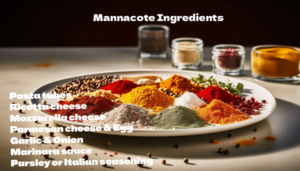
These ingredients matter because they are familiar and widely available. That familiarity makes the dish easy to search, easy to cook, and easy to eat.
Nutritional Benefits of Mannacote
Mannacote can provide a solid mix of protein, carbs, and fat, especially when made with cheese and meat. Nutritional examples from similar manicotti-style dishes show that servings can be calorie-dense, with meaningful protein content depending on the filling.
A published example listed one version at about 676 calories with 46 grams of protein per serving, while another spinach-ricotta version reached higher calories with even more protein.
That means the dish can be filling, not just tasty. Cheese adds protein and calcium, and tomato sauce can contribute vitamins and plant compounds like lycopene.
If greens are added, the dish can offer even more nutrients without losing its comfort-food feel.
Why It Works for Family Meals
People return to mannacote because it fits real life. It can feed a group, hold well in the oven, and taste even better after the flavors settle.
That makes it useful for birthdays, holidays, potlucks, and busy weeknights.
It also fits a wide age range. Kids often like the soft pasta and cheese, while adults appreciate the sauce and savory filling.
That broad appeal is one reason baked stuffed pasta remains a strong dinner search topic.
How Search Pages Rank Well
Pages about mannacote rank well when they answer the user’s main question right away and then expand with useful detail. Search results often reward content that includes related terms like manicotti, stuffed pasta, baked pasta, cheese filling, and tomato sauce.
They also reward clear structure, because readers can scan headings and find what they need fast.
Strong pages usually do these things well:
-
Use the focus term early in the title and introduction.
-
Explain the dish in simple language.
-
Compare it with similar foods.
-
Give ingredient and preparation details.
-
Add helpful FAQs and related terms naturally.
That is why a well-built article on mannacote can do well in search even if the term itself is less common than manicotti.
Why Mannacote Should Be Your Go-To Meal This Season
Mannacote is a smart seasonal choice because it feels warm, filling, and easy to share. It is especially useful when you want a meal that looks generous but does not require fancy steps.
The baked finish gives it a cozy feel that works in cooler months and also at big family tables year-round.
It also brings flexibility. You can make it rich with sausage, keep it lighter with spinach and ricotta, or keep it classic with cheese and sauce.
That variety helps the dish fit different diets and dinner plans without losing its core identity.
How Mannacote Differs from Similar Pastas
The biggest difference between mannacote and similar pastas is shape and how the filling is packed. Manicotti uses tubes, stuffed shells use shell shapes, and ravioli encloses filling between thin sheets of pasta.
That shape changes the bite, the look, and the way sauce covers the dish.
For readers, this comparison clears up confusion. It also helps search content capture people who use different pasta names but want the same kind of meal.
Manicotti in Modern Kitchens
Today, manicotti-style dishes still fit modern cooking because they can be prepared ahead and baked later. That practical value keeps mannacote relevant for busy households and special meals alike.
Recipe pages often emphasize that the dish is both easy to assemble and impressive to serve.
You can also adjust it for your kitchen style. Some cooks use piping bags to fill the pasta, while others use a spoon.
Some add extra cheese on top, while others finish with herbs for a cleaner taste.
Tips for Better Mannacote
A few simple steps can improve the final dish:
-
Cook the pasta just until tender so it does not tear.
-
Keep the filling thick so it stays inside the tubes.
-
Use enough sauce to keep the pasta moist during baking.
-
Cover with foil early in baking if you want softer pasta.
-
Let it rest before serving so the filling sets.
These tips help home cooks get better results without making the recipe harder.
They also match the style of useful pages that rank well: simple, direct, and practical.
Common Questions About Mannacote
Here are quick answers to common questions readers search for:
-
Is mannacote the same as manicotti? In most cases, yes. It usually refers to the same stuffed pasta dish.
-
What is mannacote made of? Pasta tubes, cheese filling, sauce, and sometimes meat or greens.
-
Is it healthy? It can be part of a balanced meal, but calorie and fat levels depend on the recipe.
-
What makes it special? The mix of baked pasta, creamy filling, and tomato sauce gives it strong comfort-food appeal.
These answers help readers scan fast. They also support natural keyword placement around mannacote and related terms.
Summary and Reader Question
Mannacote is best understood as the familiar stuffed pasta dish many readers know as manicotti, and it ranks well because it combines clear search intent, comfort-food appeal, and useful recipe detail. It is flexible, filling, and easy to adapt, which makes it a strong topic for both home cooks and focused food content.