
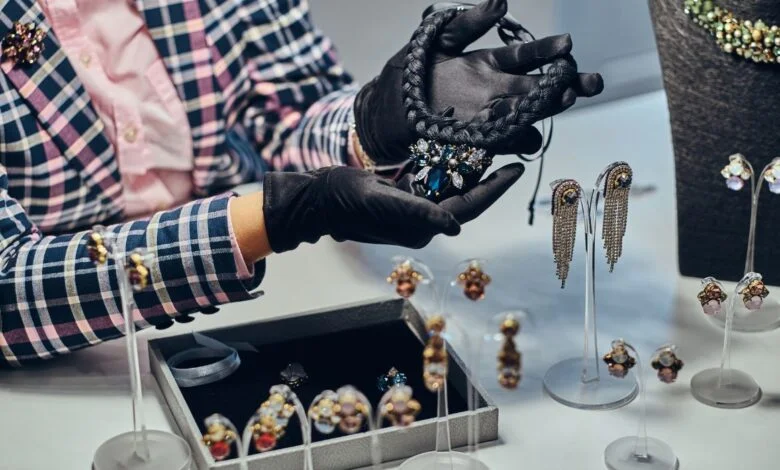
Sagės are beautiful decorative pins that people wear on clothes to add a special touch. These small items have a nice design on the front and a pin on the back to hold them in place. Many folks love sagės because they make simple outfits look elegant and personal. Whether you pick a flower shape or a shiny crystal one, sagės bring fun and meaning to what you wear every day.
What Exactly Are Sagės?
Sagės are a type of brooch or decorative pin. The word comes from Lithuanian, where it means a pin used to fasten or decorate clothing. They work in two ways: they look pretty and sometimes help hold scarves or shawls steady.
A typical sagė has these parts:
- A front face with a design (like flowers, animals, or shapes).
- A metal pin and clasp on the back that opens and closes safely.
People make sagės from many materials. Common ones include metal like silver, gold, brass, or stainless steel. Some add pearls, glass stones, enamel colors, or even fabric and beads. Sizes vary too. Tiny sagės suit light blouses, while bigger ones become the main focus on a coat or jacket.
Sagės feel special because they mix fashion with story. You can wear one passed down from family to remember loved ones. Or choose a new one that shows your personality. Many call sagės quiet carriers of memory because they connect you to traditions and personal moments.
A Short History of Sagės
Sagės have roots that go back thousands of years. Long before buttons or zippers, people in the Bronze Age used pins called fibulae to fasten garments. These early pins were made from bronze, silver, or gold. Craftsmen often decorated them with stones or enamel.
In Baltic regions, including Lithuania, sagės became important cultural items. Families used them to close shawls and cloaks. The designs carried meaning. Sun shapes stood for light and warmth. Spirals showed growth and life cycles. Plant and animal motifs reflected beliefs about nature and protection.
Over time, sagės changed from everyday fasteners to symbols of status and identity. Wealthy people wore fancier versions with gems. Poorer families kept simpler metal ones. Many sagės passed from grandparents to children, keeping family stories alive.
Today, sagės enjoy fresh popularity. Fashion shows and street style feature them again. People like how one small sagė can refresh an old outfit without buying new clothes. This trend fits modern values: individuality, sustainability, and personal expression.
Different Types and Styles of Sagės
You can find many kinds of sagės to match any taste. Here are popular categories:
- Floral designs: These show petals, leaves, or full flowers. They look soft and romantic, perfect for spring outfits or weddings.
- Geometric shapes: Lines, circles, or abstract patterns suit modern and minimal styles.
- Animal themes: Birds, butterflies, dogs, or bees add playful charm. Nature lovers often choose these.
- Vintage and classic: Older styles with crystals or enamel bring retro elegance. Brands like Givenchy or Hermes appear in vintage collections.
- Novelty options: Some sagės feature pop-culture icons or fun symbols for casual wear.
Materials also make a difference. Silver or gold-colored sagės feel luxurious. Stainless steel versions last longer for daily use. Enamel adds bright colors that do not fade easily. Glass crystals catch light and sparkle nicely.
In vintage shops, you might see unique pieces like a snake-shaped sagė, a moon design with crystals, a star motif, or a simple leaf. Prices range from affordable everyday options to higher-end collector items.
Related tip: When shopping, think about your wardrobe colors and style. A bold red enamel sagė pops on a plain black coat. A delicate pearl one adds softness to a white blouse.
How to Wear Sagės in Everyday Life
Sagės are easy to style once you know a few basics. They work for men and women, and for casual or formal events.
Here are simple ways to wear them:
- On a collar or neckline – This draws attention to your face.
- On a shoulder or lapel of a jacket – Great for work or meetings.
- On a hat or bag – Adds personality to accessories.
- To secure a scarf or shawl – Both pretty and practical on windy days.
- In a group – Cluster several small sagės together for a bigger impact.
Sagės suit many occasions:
- Casual: Pin one to a denim jacket or sweater for weekend outings.
- Work: Choose a subtle design on a blazer to look polished.
- Formal: Sparkly or pearl sagės shine at weddings and parties.
Men often wear sagės on suit jackets or ties. It shows confidence and attention to detail. One small accessory can make an outfit feel complete and unique.
Start small if you are new to sagės. Pick one that matches something you already own. Experiment in front of a mirror. Soon you will see how sagės change how clothes feel.
Caring for Your Sagės Properly
Good care keeps sagės looking nice for years. Follow these easy steps:
- Store them in a soft pouch or a box with separate compartments to avoid scratches.
- Keep them away from perfumes, hairspray, and chemicals that can damage metal or stones.
- Clean gently with a dry, soft cloth after wearing.
- Check the clasp regularly. Take loose sagės to a jeweler for repairs.
For vintage sagės, handle with extra care. Avoid water on pieces with glue or delicate enamel. With proper steps, your favorite sagė can become a family heirloom that lasts generations.
Why Sagės Make a Great Fashion Choice
Sagės stand out because they are versatile and meaningful. Unlike big trends that come and go, these pins feel timeless. They let you express yourself without changing your whole wardrobe.
Many people enjoy the emotional side too. A sagė from a grandmother connects you to family history. A new one bought on a trip reminds you of happy memories. Public figures sometimes use pins to send quiet messages through symbols.
In a world of fast fashion, sagės support slower, more thoughtful style. You refresh what you own instead of buying more. This approach saves money and helps the planet.
Statistics from fashion trends show growing interest in vintage and accessory personalization. Sagės fit perfectly into this shift toward unique, story-filled items.
Choosing the Right Sagė for You
Think about these points when picking sagės:
- Match the size to the garment – small for delicate fabrics, larger for coats.
- Consider the occasion and your outfit colors.
- Decide on material based on how often you will wear it.
- Look for safety clasps if you move a lot during the day.
Vintage collections offer special finds with brand heritage, such as pieces inspired by classic designers. Modern options focus on durability and fresh designs. Both types have fans who mix old and new sagės for creative looks.
Common Questions About Sagės
What is the difference between sagės and regular brooches? Sagės is the Lithuanian term for the same type of decorative pin. The words describe very similar items.
Can men wear sagės? Yes! Many men enjoy them on jackets, lapels, or even hats. They add a refined detail to any look.
Are sagės only for special occasions? No. You can wear them daily on casual clothes or save fancier ones for events.
How do I start collecting sagės? Begin with one or two that match your current clothes. Add more as you discover new styles you like.
Where can I buy quality sagės? Look for trusted shops that sell vintage or handmade pieces. Check materials and clasp strength before buying.
Final Thoughts on Sagės
Sagės are more than simple pins. They blend history, craft, and personal style into one small accessory. From ancient fasteners to modern fashion favorites, sagės continue to charm people who value beauty with meaning.