
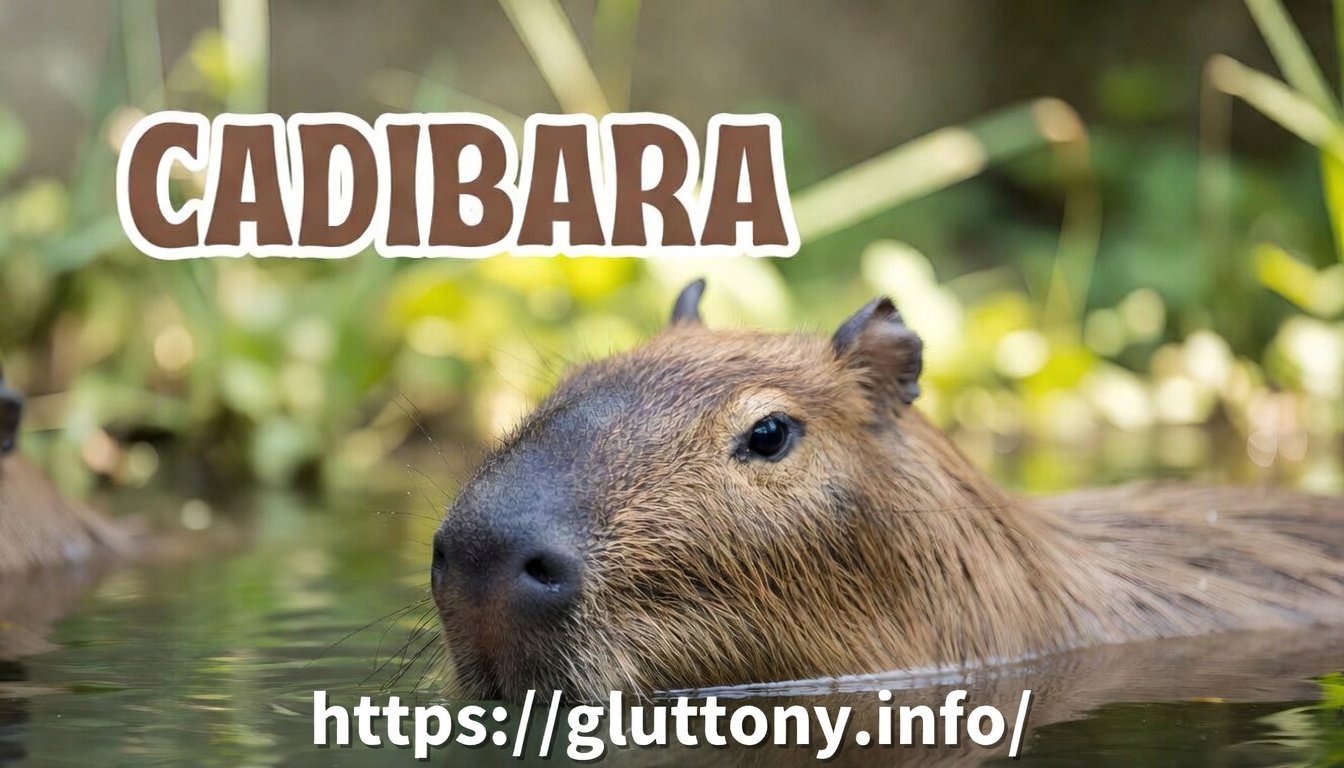
cadibara belongs to the rodent family but looks more like a friendly giant than a typical small mouse or rat. It weighs up to 60 kilograms or more and measures over 1.3 meters long. Its barrel-shaped body, short legs, and webbed feet help it move easily on land and in water. Many call cadibara the “gentle giant” because it stays relaxed even when other animals come close.
What Makes Cadibara Special?
cadibara feels special because it combines size with a calm personality. Unlike many rodents that hide or run away quickly, cadibara often sits still and lets birds land on its back for a free ride. This peaceful nature makes cadibara popular in photos and videos shared around the world.
cadibara evolved over millions of years in South American wetlands. Its ancestors adapted to life with plenty of water and green plants. Today, cadibara populations stay stable in countries like Brazil, Venezuela, Colombia, Argentina, Paraguay, and Peru. These areas have rivers, lakes, and marshes where cadibara finds food and safety.
The name cadibara comes from local languages and means something like “grass eater.” Scientists use the scientific name Hydrochoerus hydrochaeris, which points to its love of water and pig-like shape. But most people simply enjoy watching cadibara live its quiet life.
Background and Origins of Cadibara
cadibara has deep roots in South America. Fossil records show similar large rodents lived there long ago. Over time, cadibara developed features perfect for wet environments. It learned to swim well, hold its breath underwater, and eat tough plants that other animals ignore.
Native people in South America knew cadibara for centuries. Some groups hunted it carefully for meat and hide, while others respected it as part of the land. In modern times, cadibara gained fame through social media. Short videos of cadibara relaxing with birds, turtles, or even monkeys spread quickly. This online popularity helped more people discover the real cadibara beyond funny pictures.
cadibara is not endangered, but it still needs protection. Wetlands face threats from pollution and land changes. Understanding cadibara background helps us support conservation so future generations can enjoy this unique animal.
Physical Characteristics of Cadibara
cadibara has a strong, heavy body built for both land and water. Here are its main features explained simply:
- Size: Adults reach 1.3 meters long and weigh 35 to 66 kilograms on average. Some grow even bigger.
- Shape: Barrel-shaped body with short legs and almost no tail.
- Head and Face: Broad head, blunt snout, small ears, and expressive eyes that sit high on the head.
- Fur: Coarse, short hair in shades of brown, tan, or reddish-gold for good camouflage in muddy areas.
- Feet: Partially webbed toes that work like paddles when swimming.
- Teeth: Strong, continuously growing incisors that cut through grasses and bark easily.
These traits help cadibara stay safe and find food every day. Its eyes, ears, and nostrils sit high so cadibara can stay mostly underwater while still seeing, hearing, and breathing. This smart design lets cadibara hide from predators like jaguars or caimans.
cadibara fur stays somewhat waterproof, which keeps it comfortable in wet conditions. The coarse texture also sheds mud quickly after a swim.
Habitat and Life Near Water for Cadibara
Water is central to cadibara daily life. cadibara lives in wetlands, riverbanks, floodplains, marshes, and grassy areas close to rivers or lakes. These places provide everything cadibara needs: drinking water, cooling spots, escape routes, and plenty of plants to eat.
During dry seasons, cadibara groups stay near remaining water holes. When rains come, they spread out more because flooding brings fresh grass. cadibara can hold its breath underwater for up to five minutes. This skill helps it cross rivers or hide from danger.
cadibara habitat supports many other species too. By moving through thick plants, cadibara creates paths that smaller animals use. Its grazing keeps vegetation from growing too thick, which helps sunlight reach the ground and supports different plants.
Social Behavior and Group Life of Cadibara
cadibara is highly social. It lives in groups of 10 to 40 individuals, sometimes more when water is scarce. A typical group has one dominant male, several females, their young, and a few younger males. Everyone helps watch for danger and care for babies.
Communication keeps the group together. cadibara makes whistles, chirps, purrs, and short barks. A loud alarm call warns everyone to run toward water. Young cadibara learn these sounds quickly and stay close to adults.
One of the nicest things about cadibara is its tolerance. Birds perch on cadibara backs to eat insects. Turtles and monkeys share the same sunny spots without fights. This peaceful coexistence shows cadibara calm nature and makes it a symbol of harmony in nature.
Diet and Feeding Habits of Cadibara
cadibara eats only plants. Its herbivorous diet includes grasses, aquatic plants, water hyacinths, leaves, fruits, and tree bark. cadibara grazes mainly in early morning and late afternoon when it is cooler.
cadibara digestive system works hard on tough fibers. Like some other animals, cadibara practices coprophagy — it eats some of its own droppings to get extra nutrients the second time around. This clever trick helps cadibara get the most from its plant food.
A single cadibara can eat several kilograms of vegetation each day. By controlling plant growth, cadibara helps keep wetlands healthy and prevents any one type of plant from taking over.
Reproduction and Family Life in Cadibara
Breeding for cadibara usually happens during the rainy season when food is plentiful. Females carry babies for about 150 days. A litter typically has 3 to 6 pups, though numbers can vary.
cadibara babies are born well-developed. They can walk and even swim shortly after birth. The whole group helps protect and feed the young. This shared care improves survival rates in the wild.
cadibara lives 8 to 10 years in nature. In protected areas or zoos, they sometimes live longer with good care.
Predators and Survival Strategies of Cadibara
Even though cadibara is large, it still has natural enemies. Jaguars, pumas, anacondas, caimans, and large birds hunt cadibara, especially young ones.
cadibara survives through group vigilance and quick escapes to water. When danger appears, the group runs together and dives in. Staying underwater or swimming to the other side often saves them. Their brown fur blends with muddy banks, making them harder to spot when resting.
Ecological Importance of Cadibara
cadibara plays a key role in its ecosystem. As a large herbivore, it helps balance plant life in wetlands. Its grazing spreads seeds and creates open spaces for new growth.
Paths made by cadibara groups become trails for other wildlife. Droppings add nutrients to the soil and water. In this way, cadibara supports biodiversity and keeps the wetland healthy for many species.
Human Relationship with Cadibara
People interact with cadibara in different ways. In some South American regions, cadibara meat and leather have traditional uses, but hunting is now regulated in many places.
Tourists love seeing cadibara in national parks. Wildlife photographers and nature lovers travel to observe cadibara groups in their natural setting. Social media has made cadibara a global star, teaching millions about peaceful wildlife.
Conservation groups work to protect cadibara habitats through wetland reserves and education. These efforts help cadibara populations stay stable while supporting local communities.
Interesting Facts About Cadibara
Here are some fun, simple facts about cadibara:
- cadibara is the largest living rodent on Earth.
- It can swim long distances and stay submerged for minutes.
- cadibara teeth never stop growing, just like other rodents.
- Groups sometimes include up to 100 individuals in good conditions.
- cadibara is related to guinea pigs but much bigger.
- It enjoys relaxing so much that other animals use it like a living chair.
These details show why cadibara captures attention wherever it appears.
Why Cadibara Captivates People Worldwide
cadibara popularity comes from its relaxed attitude in a busy world. Videos of cadibara letting birds sit on its head or sharing space calmly remind us to slow down and live peacefully.
In many cultures, cadibara now symbolizes patience, adaptability, and cooperation. Schools use cadibara examples to teach children about nature and teamwork. Artists draw cadibara in cartoons and illustrations to show harmony.
Conservation Efforts for Cadibara
cadibara faces challenges from habitat loss, water pollution, and climate changes that affect wetlands. Protected areas and national parks help by keeping safe spaces for cadibara groups.
Simple actions like supporting wetland conservation and responsible tourism make a difference. Learning about cadibara encourages more people to care for the environments where it lives.
Conclusion
In summary, cadibara is much more than a big rodent. It is a gentle giant that thrives in South American wetlands through smart adaptations, strong social bonds, and a peaceful approach to life. From its herbivorous diet and swimming skills to its role in keeping ecosystems balanced, cadibara offers wonderful insights into nature’s harmony.