
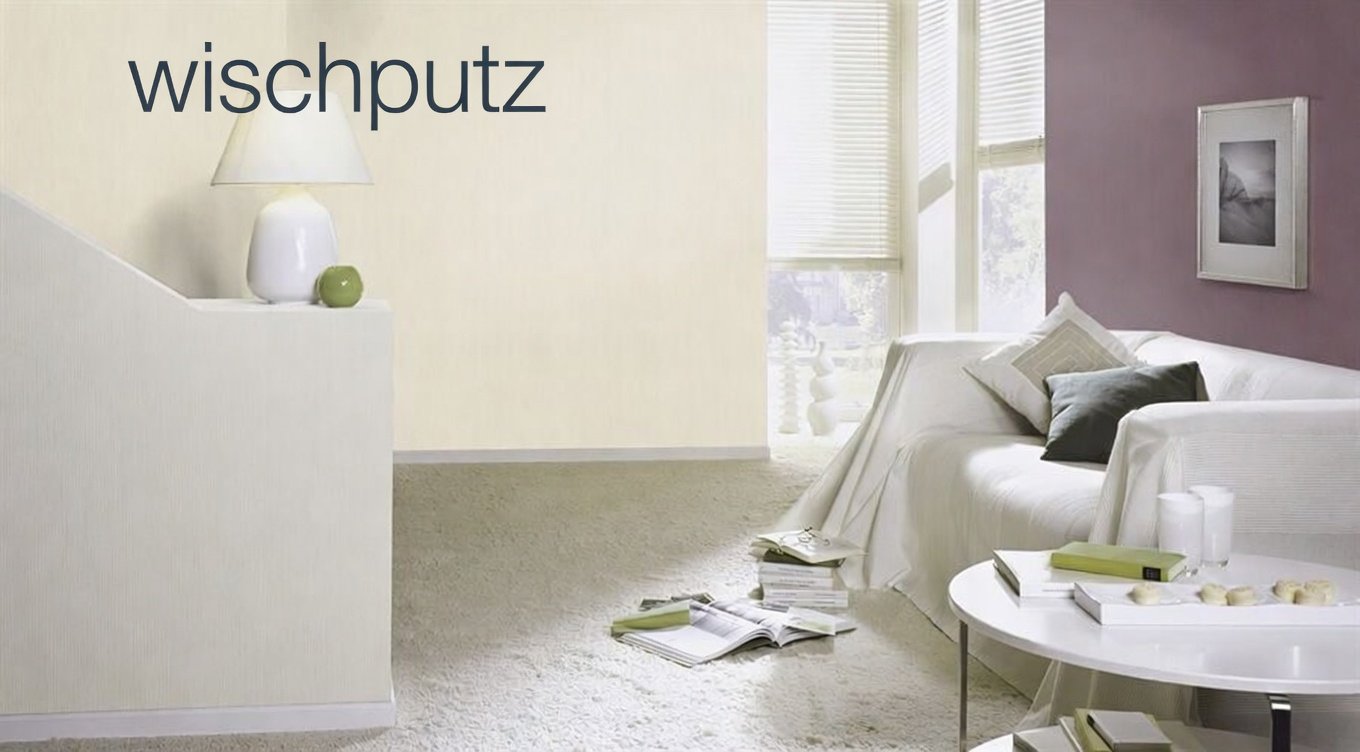
Wischputz is a simple yet effective method to give your walls an elegant, even surface with a subtle texture. Many people choose Wischputz because it makes rooms feel more inviting while offering practical benefits. In this article, you will learn everything important about Wischputz so you can try the technique yourself or better understand it.
What Exactly Is Wischputz?
Wischputz, also known as washed plaster or wipe plaster, is a decorative plaster technique. You apply plaster to the wall and then work it with a damp sponge or cloth while it is still not fully dry. This creates a smooth but lightly textured surface that reflects light beautifully.
This method belongs to decorative plasters and works well for interior walls. It gives the wall a high-quality look without appearing rough or uneven. Many DIY enthusiasts like Wischputz because it allows natural movements, and every result looks slightly unique.
Why Wischputz Is So Popular
Wischputz creates a uniform surface that hides small cracks and irregularities well. The compacted layer sticks better to the base. Especially with lime plaster or clay plaster, the surface regulates room humidity and helps prevent mold.
The smooth texture collects less dust than rough plasters. Light falls differently on the surface, giving the room a warm and cozy atmosphere. Many people use Wischputz in living rooms, bedrooms, or even damp rooms like bathrooms.
Which Plaster Types Work Best for Wischputz?
Not every plaster works equally well. Choose types with a smooth, workable consistency. Suitable materials for Wischputz include:
- Lime plaster
- Lime cement plaster
- Clay plaster
- Gypsum plaster
- Felt plaster
- Brush-on plaster
- Modeling plaster
- Textured plaster
- Dispersion plaster
- Roll plaster
- Slurry plaster
- Synthetic resin plaster
- Finishing plaster
Coarse-grained options like natural stone plaster, rustic plaster, or colored stone plaster are less suitable because they are hard to wipe evenly.
Lime plaster is especially popular because it is breathable and absorbs moisture. Clay plaster works similarly and feels very natural. For modern looks, dispersion plaster or synthetic resin plaster can be good choices.
Benefits of Wischputz in Everyday Life
Wischputz offers many practical advantages:
- Even appearance with fewer visible cracks
- Better adhesion through surface compaction
- Less dust buildup
- Beautiful light reflection for more coziness
- Good moisture regulation with mineral plasters
- Relatively easy application for experienced DIYers
- Versatile look – from modern to rustic
Many users say rooms with Wischputz feel friendlier and calmer. The technique is also a good alternative to wallpaper or tiles when you want a natural wall finish.
Disadvantages and When to Be Careful
Wischputz requires some practice. The plaster must still be damp when you wipe it – too early or too late can make the result patchy. Coarse plasters are difficult to work with. In very damp areas without the right plaster type, mold can form, although lime plaster helps here.
The technique is less ideal for complete beginners without prior experience. Some people prefer ready-made roll plaster products that are easier to apply.
Step-by-Step Guide: How to Apply Wischputz
You can do Wischputz yourself. Work in sections so the plaster does not dry too quickly.
Tools and Materials Needed
- Suitable plaster (e.g., lime plaster)
- Smoothing trowel or hawk
- Spatula
- Sponge board, damp sponge, or cloth
- Drill with mixing paddle
- Bucket
- Drop cloths and painter’s tape
- Primer for absorbent walls
- Water
Preparing the Surface
- Clean the wall thoroughly of dust, grease, and loose parts.
- Check that the surface is stable.
- Apply a bonding primer on highly absorbent walls.
- Let everything dry completely.
Mixing the Plaster
Mix the plaster with water according to the manufacturer’s instructions. Stir until the mixture is creamy and lump-free. It should stick well to the trowel but not be too thick.
Applying the Plaster
Apply the plaster with the smoothing trowel in a layer 2 to 5 mm thick. Work in small sections to keep the plaster damp.
Creating the Wischputz Effect
Wait until the plaster has firmed up slightly – it should no longer be soft but still moist. Take a lightly damp sponge or sponge board and wipe in circular, wavy, horizontal, vertical, or diagonal movements.
Do not press too hard. Wring out the sponge regularly so extra water does not smear the surface. Try different patterns to create your personal style.
Letting It Dry
Allow the Wischputz to dry completely. The exact time depends on the plaster type and room temperature. After drying, you can paint or glaze it if desired.
Tips for a Perfect Wischputz Result
- Test the technique first on a small, inconspicuous area.
- Keep the sponge lightly damp, not wet.
- Work at normal room temperature – not too cold or too warm.
- For damp rooms, always choose lime plaster or similar breathable materials.
- Combine Wischputz with a colored glaze for more depth.
- If you are unsure, get help from a professional.
Many DIYers recommend starting with lime plaster because it is forgiving and delivers a beautiful finish.
Wischputz Compared to Other Techniques
Wischputz differs from roll plaster or brush-on plaster. With roll plaster, you apply the material with a roller – this is faster but creates a different texture. Wischputz allows more individual patterns through hand movements.
Compared to smooth wallpaper, Wischputz looks more natural and premium. Against coarse textured plasters, it is finer and more elegant. If you do not want real plaster work, stores offer non-woven wallpapers that imitate the Wischputz look.
Where Can You Use Wischputz?
Wischputz fits well in almost all interior spaces:
- Living rooms for a cozy atmosphere
- Bedrooms for calm walls
- Kitchens and bathrooms (with lime plaster)
- Hallways and staircases
- Even on facades, depending on the plaster type
In modern homes, Wischputz creates a clean look. In old buildings, it highlights the charming character.
Common Mistakes with Wischputz and How to Avoid Them
- Plaster too dry → patchy surface: Always work in sections.
- Sponge too wet → smeared areas: Keep the sponge only lightly damp.
- Uneven layer thickness → visible seams: Apply evenly.
- No primer on absorbent walls → poor adhesion.
With a little practice, Wischputz quickly improves.
Alternative: Wischputz-Style Wallpaper Instead of Real Plaster
If you do not want to do plaster work, special non-woven wallpapers with a Wischputz look are available. These often feature a 3D effect with stripes and imitate the wiped texture very well. They are easier to install and a practical solution for renters or quick decisions.
Such wallpapers offer similar visual effects without the effort of real Wischputz. They are especially useful if you want to test the look before committing to actual plastering.
Care and Cleaning of Wischputz Surfaces
The smooth surface of Wischputz is easy to maintain. Dust can be wiped off with a dry or slightly damp cloth. With mineral plasters like lime plaster, moisture regulation remains intact as long as you do not use sealing paints.
If needed, you can refresh the wall with a new glaze after a few years. This keeps your Wischputz looking beautiful for a long time.
Costs and Effort for Wischputz
Material costs depend on the plaster type. Lime plaster or gypsum plaster are usually affordable. Add tools, which you can reuse many times. The time required is one to two days for a normal room, depending on size and experience.
Compared to hiring professional painters, you save money when doing Wischputz yourself.
Environmental and Health Aspects of Wischputz
Mineral plasters such as lime plaster or clay plaster are natural and low-emission. They improve indoor climate by absorbing and releasing moisture. This makes Wischputz a good choice for families with children or people with allergies.
Avoid solvent-based products if sustainability is important to you.
Creative Ideas with Wischputz
Play with the direction of wiping movements: circular for soft effects, diagonal for more dynamism. Combine two plaster shades for a two-tone look. Or wipe only certain areas to create accents.
Many people finish one wall with Wischputz and leave the others smooth – this creates interesting contrasts.
Frequently Asked Questions About Wischputz
Can I apply Wischputz over old wallpaper? It is better not to. Remove old wallpaper or smooth the surface first.
How long does Wischputz need to dry? It depends on the plaster – usually 1 to 3 days until it is fully load-bearing.
Is Wischputz suitable for outdoor use? Yes, with weather-resistant plasters like lime cement plaster, but check the manufacturer’s instructions.
Do I need special tools for Wischputz? A good sponge board and smoothing trowel are usually enough.
Can I paint over Wischputz? Yes, after it has dried completely, with a suitable paint or glaze.
Conclusion:
Wischputz combines beauty with practical benefits. The technique creates smooth, breathable surfaces that upgrade rooms and improve living comfort. With the right materials and a bit of practice, Wischputz succeeds at home too.